

Audio Basics
Understanding the core equipment used in film and music production is essential for creating professional-quality content. Here are the key fundamentals you need to know:
Audio Equipment
-
Microphones: Different types (dynamic, condenser, shotgun) capture sound effectively in various environments. Choosing the right microphone ensures clear dialogue and high-quality audio.
-
Audio Mixers: These devices allow you to control volume levels, EQ, and effects, balancing multiple sound sources to produce polished audio tracks.
-
Audio Recorders: Portable or studio recorders capture high-fidelity sound for music and film projects, maintaining clarity and detail.
-
Headphones and Monitors: Critical for accurate sound monitoring, helping you detect issues and achieve the desired audio quality.
Additionally, Your sound environment should minimize background noise. Use soundproofing when possible.

Video Basics
Visual Equipment
-
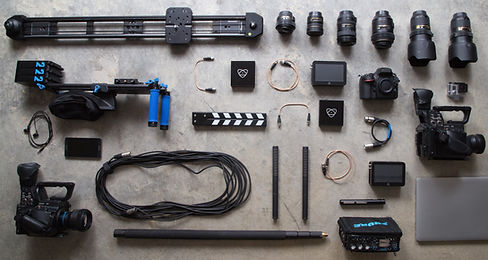
Cameras: Understanding DSLR, mirrorless, and cinema cameras helps you choose the right tool for your visual storytelling needs.
-
Lenses: Different lenses (wide-angle, telephoto, prime) affect framing, depth of field, and overall image style.
-
Lighting: Proper lighting equipment (softboxes, LEDs, reflectors) shapes the scene, creates mood, and ensures clear visuals.
-
Tripods and Stabilizers: Keep your shots steady and professional-looking, whether stationary or moving.
-
Color Grading: Use color correction and grading to enhance mood, consistency, and visual appeal.

Key Concepts
-
Resolution & Frame Rate: Know the basics of image quality (HD, 4K) and motion capture (24 fps, 30 fps) to match your project's needs.
-
Sound and Image Synchronization: Ensuring audio and video are perfectly aligned is crucial for a seamless final product.
-
Equipment Maintenance: Regular upkeep keeps your gear functioning optimally and extends its lifespan.
Camera Angle Basics
-
Types of Shots: Learn the difference between wide, medium, close-up, and detail shots to tell your story effectively.
-
Angles & Perspectives: Use high, low, and eye-level angles to evoke emotion, emphasize power, or create intimacy.
-
Composition: Follow the rule of thirds and leading lines to frame shots that are engaging and balanced.